


Second Thessalonians is one of those letters I have hesitated to preach. I know it is God’s Word, and as 2 Timothy 3:16 reminds us, it is “profitable for teaching, for reproof, for correction, and for training in righteousness.” Yet, the topics covered in this letter can be challenging to discern and have been misused by people for generations. If you sometimes struggle to understand Paul’s letters, take heart. Even the Apostle Peter acknowledges that some of Paul’s writings are “hard to understand” (2 Peter 3:16). My goal here is to convince you to take the time to read this short letter. It can be done in five minutes, but those five minutes of reading, along with a few minutes of journaling and meditating, can radically change your life.
Following Up on the Faith of Others
Paul preached in Thessalonica and saw both Jews and Gentiles come to faith in Christ. However, after a short stay, he was driven out of town by a mob and continued his journey, traveling through Greece to preach the gospel. Even though he had physically moved on, Paul’s heart remained burdened for these new Christians. He sent Timothy, his younger assistant, to check on them and minister to them: “We sent Timothy, our brother and God’s coworker in the gospel of Christ, to establish and exhort you in your faith” (1 Thessalonians 3:2). Timothy later returned with a report, prompting Paul to write letters as a means of teaching and encouraging this new congregation.
By all indications, this was a healthy church that was enduring persecution well, preaching the gospel, seeing people saved, and doing just about everything right. However, Paul recognized their need for continued growth. These two letters address specific questions and concerns, offering a model for how we should disciple one another. As Christians, we are called to grow and take the next step of faith, to trust in God, and to grow in love: “May the Lord make you increase and abound in love for one another and for all” (1 Thessalonians 3:12).
Paul’s example teaches us how to disciple others. We are to encourage, answer questions, and deal with sin issues, all in a spirit of love. This letter reminds us that discipleship is an ongoing process of growth and support within the body of Christ.
Addressing End-Times Confusion
Like Christians for the past 2,000 years, the church in Thessalonica had questions about the second coming of Jesus and the end of all things. Paul had already written about the promise of Christ’s return, but false teachers had sown confusion among the believers. In 2 Thessalonians, Paul provides clarity, assuring the church that they can be confident in Christ’s return and should live in light of it: “For the Lord himself will descend from heaven with a cry of command, with the voice of an archangel, and with the sound of the trumpet of God” (1 Thessalonians 4:16).
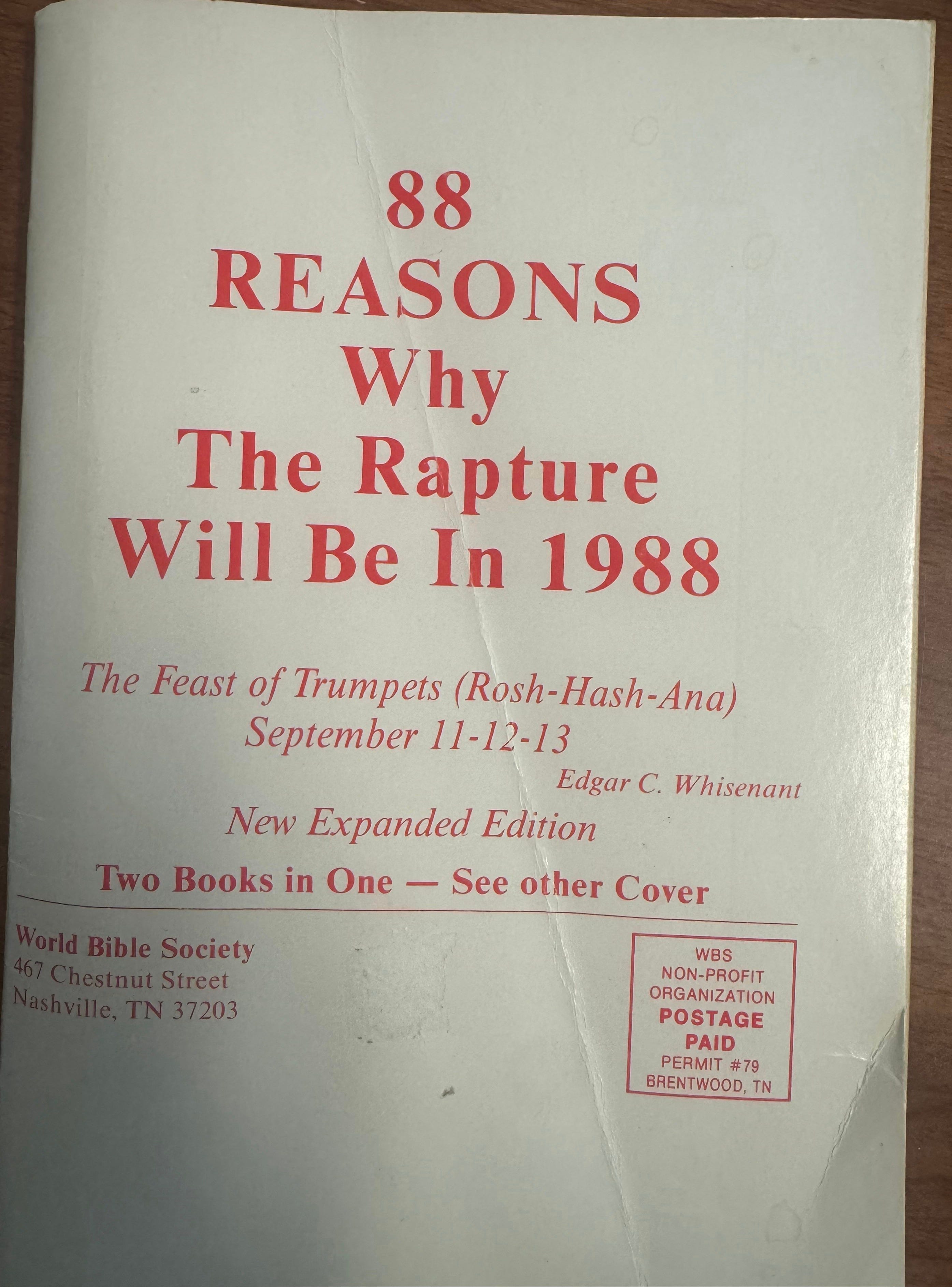
Even today, confusion about the end times persists. Many have attempted to predict the exact date of Christ’s return, often using speculative interpretations and questionable methods. This has led to financial scams and harmed the faith of many. Paul’s message is clear: while we anticipate Christ’s return, we must not allow that anticipation to distract us from our current calling. Instead, we are to live faithfully, focusing on what God has set before us.
The Necessity of Work
Paul also addresses a practical issue within the Thessalonian church: some members had become idle, relying on the charity of others under the guise of awaiting Christ’s imminent return. Paul firmly reminds them that work is a necessary and blessed part of the Christian life: “If anyone is not willing to work, let him not eat” (2 Thessalonians 3:10).
As Christians, we are called to labor diligently, whether in our vocations, ministries, or personal responsibilities. Work is not a punishment but a gift from God, a means of serving others and glorifying Him. Laziness has no place in the life of a believer, regardless of the circumstances.
Conclusion
Second Thessalonians may be a short letter, but it is packed with profound lessons on discipleship, clarity in doctrine, and the practicalities of daily living. It challenges us to grow in faith and love, remain steadfast in hope, and live responsibly as we await Christ’s return. Take the time to read and reflect on this letter. It’s a reminder that God’s Word is not only relevant but transformative, equipping us to live faithfully in every area of life.