

Disney often finds itself under fire for its live-action remakes. The usual criticisms are familiar: a lack of originality, an over-reliance on nostalgia, lifeless CGI, and the sense that these films are driven more by profit than by passion. Most of them go unnoticed by me, and honestly, I don’t really care to keep up.
But Disney’s most recent remake caught my attention for a different reason. This time, the way it missed the mark wasn’t just about aesthetics or creativity—it touched something much deeper. It made a significant statement about family, and not in a good way.
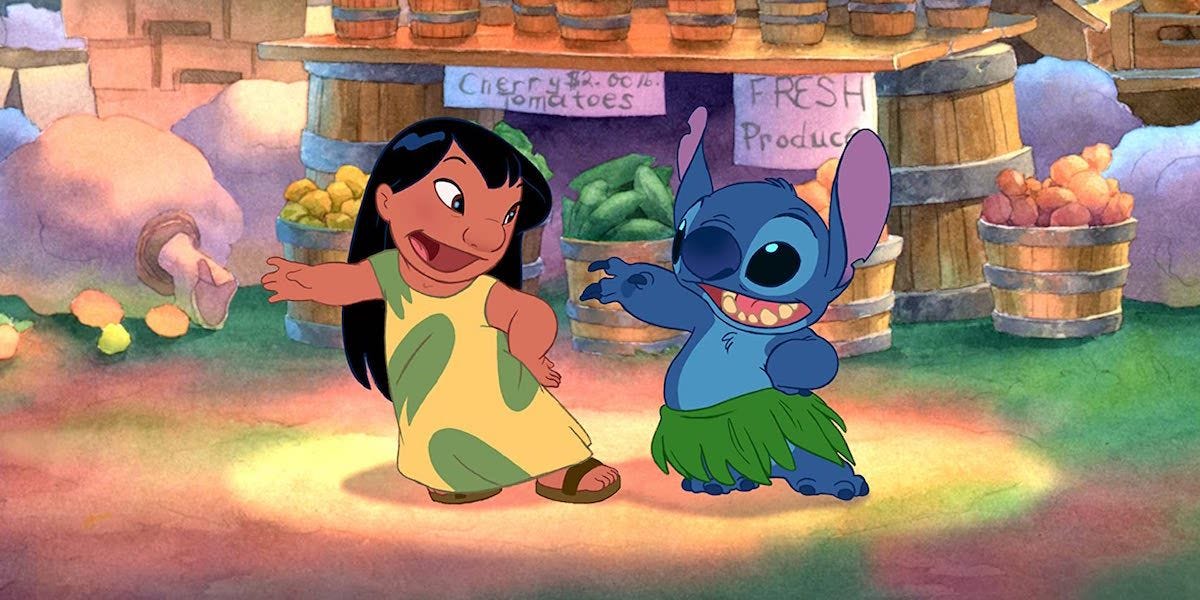
If you’ve seen the original Lilo & Stitch (released in 2002), you know its heart. The message was simple, yet powerful:
“ʻOhana means family. Family means nobody gets left behind or forgotten.”
The movie wasn’t intended to promote Christian values, but it resonated with so many of us because it reflected a universal truth—one rooted in the way God designed families to function. Families love each other. They protect each other. They make sacrifices. That’s what made the story so impactful.
Nani, the older sister, steps into a parental role after the death of their parents. She puts her dreams on hold to care for her younger sister. She struggles, fails, and gets back up again. She sacrifices, not because she has to, but because she loves Lilo. And that love is the emotional center of the film.
But in the new remake, something significant changes. Lilo is given up to the state so that Nani can pursue her dream of becoming a marine biologist.
This is more than a plot adjustment—it’s a fundamental shift in values.
The original story was about love that lays itself down for others. It reminded us that family isn’t about convenience or comfort, but about commitment and sacrifice. The remake, by contrast, seems to prioritize personal ambition over family bonds. It tells us that following your dreams may be more important than sticking together when things get hard.
To be fair, life is complicated. But Lilo & Stitch was never about perfection. It was about perseverance. It showed us a family barely holding it together—but still holding on. And that’s why it struck such a deep chord with so many.
This new version sends a different message. It subtly teaches that love can be postponed for the sake of personal growth. That the people closest to us can be left behind if they stand in the way of our goals. That “ohana” is not a vow but a variable.
But in the original film, “ohana” was sacred.
That shift might seem small, but it reflects a broader cultural trend. We are increasingly told that fulfillment comes from looking inward, from chasing our own path—even if it means letting go of those who need us most.
What’s lost in that trade is the kind of love that holds a family together. Love that costs something. Love that stays.
The original Lilo & Stitch reminded us of that kind of love. And maybe that’s why this remake feels more disappointing than most. It didn’t just change a line or a scene. It rewrote the heart of the story.
And we need stories that remind us love is worth the sacrifice.