


Since COVID-19, the divide between wealthy elites and everyday Americans has only become more glaring. During the height of the pandemic, a group of celebrities, attempting to encourage unity, released a tone-deaf (both literally and figuratively) rendition of John Lennon’s Imagine. Rather than evoking empathy, their performance—sung from sprawling mansions—revealed just how out of touch they were with the struggles of average families dealing with job loss, illness, and uncertainty.
More recently, celebrities like Katy Perry, Gayle King, and other millionaires took a ride on Jeff Bezos’ Blue Origin rocket. For the estimated cost of $250,000–$500,000 per seat, they spent about twelve minutes just outside the atmosphere and returned calling themselves "astronauts." Naturally, this spectacle was met with public mockery. What was meant to inspire awe came across instead as an extravagant publicity stunt, disconnected from the hardships facing most people on the ground.
This kind of elite foolishness is not new. The Bible gives us powerful examples of how God views such displays—and how He uses them for His purposes. The book of Esther stands as a historical and theological critique of the arrogance of the powerful. It reminds us that no matter how mighty rulers may seem, God remains sovereign over history.
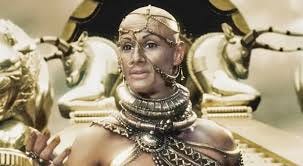
Take King Xerxes (also known as Ahasuerus), for example. He’s best remembered in pop culture for his portrayal as a god-like figure in the movie 300, yet Scripture paints a very different picture. In Esther 1, Xerxes throws an opulent feast that lasts 180 days, followed by a seven-day drinking party. In his drunkenness, he demands that Queen Vashti present herself before his guests to display her beauty—essentially to be objectified. When she refuses, he is publicly embarrassed and scrambles to save face, consulting his officials for damage control (Esther 1:13–22).
This isn't the last time Xerxes makes a foolish decision. Later, he is easily manipulated by Haman, a high-ranking official with a personal vendetta against the Jewish people. Haman convinces the king to authorize a genocide under the pretense that it would be financially beneficial (Esther 3:8–11). Xerxes agrees without much thought, demonstrating again how little control he actually has over his own kingdom—and how susceptible he is to flattery and corruption.
Yet behind all this chaos, God's providence is at work. Though His name is never mentioned in the book, God orchestrates every twist of the story to protect His people. As Proverbs 21:1 says, “The king's heart is a stream of water in the hand of the Lord; he turns it wherever he will.” Even foolish kings, powerful officials, and extravagant elites are not outside of His authority.
Esther, an unlikely heroine, rises to power not because of luck or beauty alone, but because God is moving behind the scenes. Her bravery, along with Mordecai’s wisdom, reveals how God often uses the lowly and overlooked to bring about deliverance. In the end, Haman is hanged on the very gallows he built for Mordecai (Esther 7:10), and the Jewish people are saved through divine reversal.
In a world where the rich and powerful often appear untouchable and self-important, Esther reminds us that appearances can be deceiving. God is still on the throne. As Psalm 2:4 declares, “He who sits in the heavens laughs; the Lord holds them in derision.”
Whether it’s ancient Persia or modern rocket ships, pride still goes before a fall (Proverbs 16:18), and God still lifts up the humble (James 4:10). Our hope doesn’t rest in influencers or kings, but in the one true King who uses even the folly of the mighty to accomplish His perfect will.
I hadn’t thought deeply about what these events revealed regarding Ahasuerus‘ character. This was insightful. 👌🏻