

“Hi, I am (insert name here), and I am an alcoholic.” You may have heard this phrase on TV, in movies, or perhaps in person at an Alcoholics Anonymous meeting. While AA and similar organizations have Christian roots, their statements about addiction reflect a particular worldview. AA teaches that
“Alcoholism is a progressive illness that can never be cured but that, like some other diseases, can be arrested.”
Likewise, Narcotics Anonymous describes addiction by saying,
“We are people in the grip of a continuing and progressive illness.”
As someone who grew up around substance abuse, I have attended a few AA meetings. And as a pastor with more than a decade of ministry experience, I have counseled men and women whose lives have been devastated by addiction. I’ve served alongside recovery ministries and walked with church members through the long, painful road of healing.
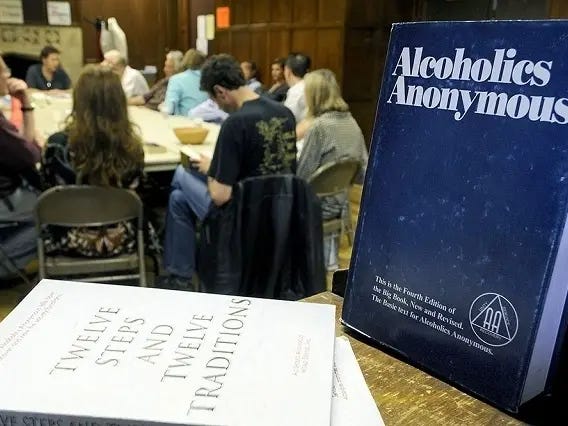
While I would agree that there can be a genetic predisposition toward abuse and addiction, that reality does not excuse the moral nature of the issue. Scripture does not use the terms alcoholic or alcoholism—instead, it speaks of the drunkard. The Bible consistently frames this not as a disease to be managed but as a sin to be repented of and overcome through the transforming power of Christ. I believe the language we use—and the identity it shapes—can be both dangerous and unbiblical.
Dr. Marisol Valencia-Payne, in her doctoral dissertation in psychology, argued that the use of identifying language (“I am an addict,” “I am an alcoholic”) can both help and hinder those who adopt such terminology.
Your identity—and the words you use to define yourself—matter. They shape not only how you think psychologically but also how you understand yourself biblically.
A Biblical Answer to a Modern Struggle
The answer to this issue is both modern and ancient. We don’t simply need to acknowledge our struggle—we need the freedom that comes from being made new.
Paul writes in 1 Corinthians 6:9–11 (ESV):
9 Or do you not know that the unrighteous will not inherit the kingdom of God? Do not be deceived: neither the sexually immoral, nor idolaters, nor adulterers, nor men who practice homosexuality, 10 nor thieves, nor the greedy, nor drunkards, nor revilers, nor swindlers will inherit the kingdom of God. 11 And such were some of you. But you were washed, you were sanctified, you were justified in the name of the Lord Jesus Christ and by the Spirit of our God.
Notice that for the believer in Jesus Christ, the identity of idolater, immoral, drunkard, and the rest—those were who we once were. There is a real sense in which people are identified with their sins and their immorality. But Paul shifts the focus entirely:
“Such were some of you.”
These are not people who never struggled again. In fact, much of this letter is written to rebuke their ongoing submission to old habits. Yet Paul reminds them that their identity has been transformed.
They are no longer sexually immoral. They are no longer revilers. They are no longer drunkards. To put it in modern terms—they are no longer addicts or alcoholics.
They were washed and made clean. They were sanctified and made holy. They were justified and declared righteous—no longer guilty of their sins.
Later in this same letter, Paul argues that believers have been united with Christ, and that this new union with the Creator of the universe ought to overflow in holiness. It is this very change in identity that makes any return to sin all the more grievous.
They are now united with the Holy One. They have been transformed. So live like it. Live from it.
Your chains are gone—now walk in freedom.
I work with addicts and convicts, too. Perhaps, Lutheran doctrine can be helpful here. As Christians we're described by Luther as Simul Justus et peccator. We are sinners and saints simultaneously. If we forget either, we diminish the beauty of the gospel.
Calling ourselves alcoholics neglects the truth that we are redeemed. Calling ourselves dearly loved children of the Most High--because that is what we are--can obscure the fact that we continue to need redeeming every hour.
We are somehow both sinners and saints at the same time until we leave this world and our sinful nature behind for good.
Being precise with our labels and definitions is important. I appreciate your thoughts on the subject.
As one who works with addicts and convicts on a full time basis, I like the focus on watching out for what identity markers we choose. Those labels matter, for sure. But "Your chains are gone--now walk in freedom," carries the unintended weight of the sense that it is up to you and your personal walk with Christ. Ed Welch in his book Crossroads labels addiction as "voluntary slavery", and it's the slavery part that most folks don't know how to reckon with and so remain silent and distant from the one struggling. I wish the last line of this post were said more like, "...now let US walk in freedom together." The person battling addiction/fighting to stay sober needs a network of redeemed relationships helping them lift and heal the shame, helping them find security in Christ and His body, and helping them break all the remnants of those chains that continue to dog their mind, heart, eyes, hands, etc.