

Rating: 4.75/5
Summary
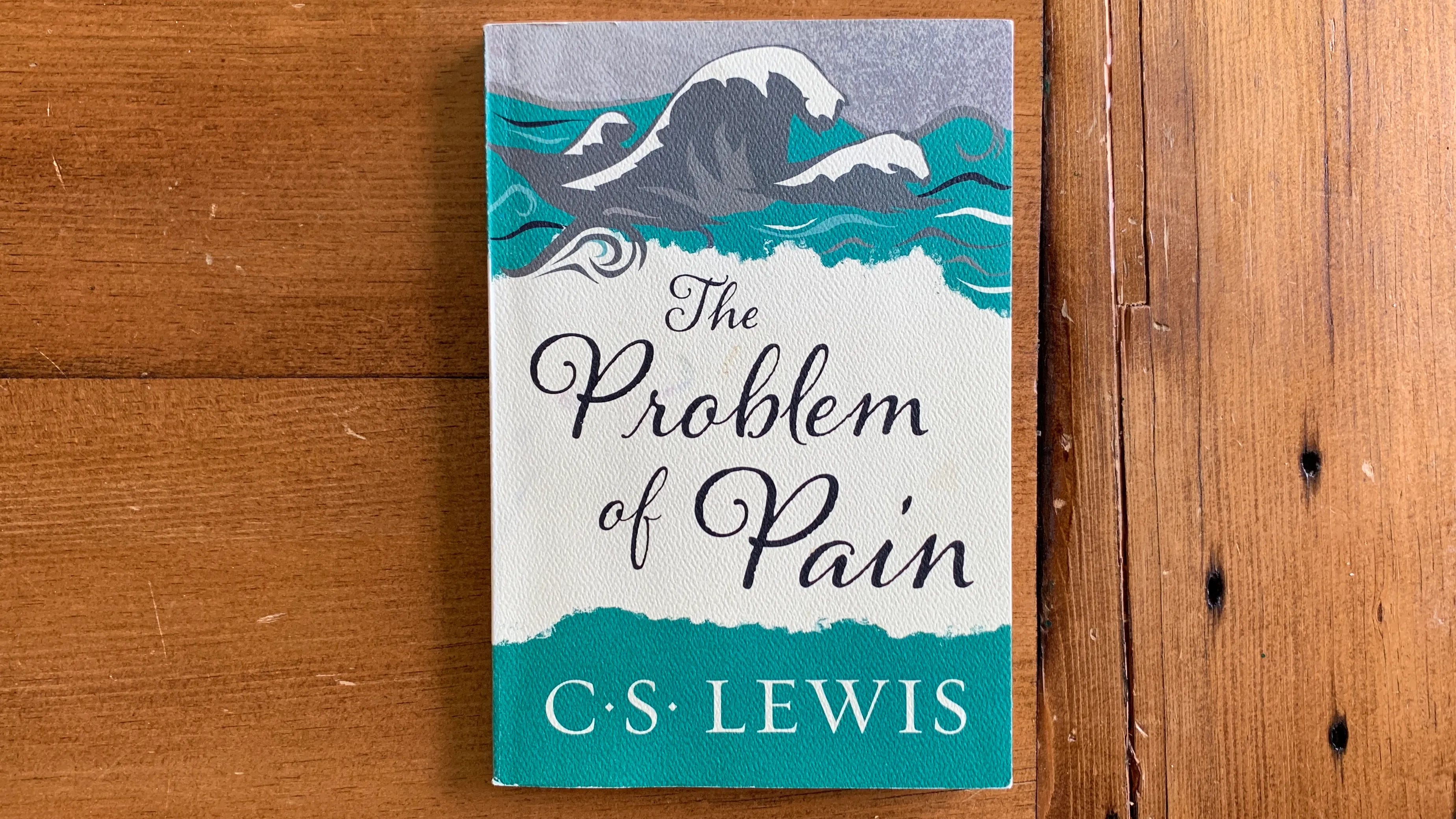
In “The Problem of Pain,” C.S. Lewis explores the perplexing issue of why a loving and omnipotent God allows suffering in the world. He argues that pain is a necessary part of the human experience, serving as a means for personal growth and a deeper understanding of divine love. Lewis also suggests that suffering can bring individuals closer to God, highlighting the redemptive potential of pain.
Strengths
Winsome Writing Style-Lewis's writing is both captivating and approachable. He addresses the serious and dark topic of pain with a warmth that feels like a fireside chat over tea with a friend. His tone is never demeaning or dismissive; instead, he seeks to answer one of the greatest problems in Christian philosophy in a way that is accessible to laypeople. This makes the book highly quotable and relevant even 80 years after its publication.
Comprehensive Apologetic for the Problem of Evil-Lewis thoroughly addresses the problem of evil, responding to the classic argument that questions how an all-good and all-powerful God can coexist with evil in the world. He argues that God does not cause evil but allows it to bring about His ultimate purpose. God's love for His creation, combined with human free will, results in the existence of evil. Pain, then, serves as a means of purifying humanity and drawing individuals closer to God.
Insightful Theology of Animals-Although it might seem out of place, Lewis's discussion on the theology of animals is a hidden gem. It offers a thoughtful perspective on a topic that is often overlooked in theological discussions.
Weaknesses
Theological Precision
The book falls short of a 5-star rating primarily due to certain passages where the theological precision could be improved. Lewis himself acknowledges this and admits he is writing from a laymens perspective. However, Lewis avoids heresy and maintains the historic Christian faith. This book is best suited for those seeking a basic understanding of Christian theology rather than in-depth doctrinal discussions.
Who Should Read It?
Those preparing for or late in the process of grieving.
Those struggling with doubt.
Pastors/Counselors.
Animal lovers/Pet owners.
Best Quotes
“A man can no more diminish God's glory by refusing to worship Him than a lunatic can put out the sun by scribbling the word 'darkness' on the walls of his cell.”
“We can ignore even pleasure. But pain insists upon being attended to. God whispers to us in our pleasures, speaks in our conscience, but shouts in our pains: it is his megaphone to rouse a deaf world.”
“Love may forgive all infirmities and love still in spite of them: but Love cannot cease to will their removal.”
“Love, in its own nature, demands the perfecting of the beloved.”