

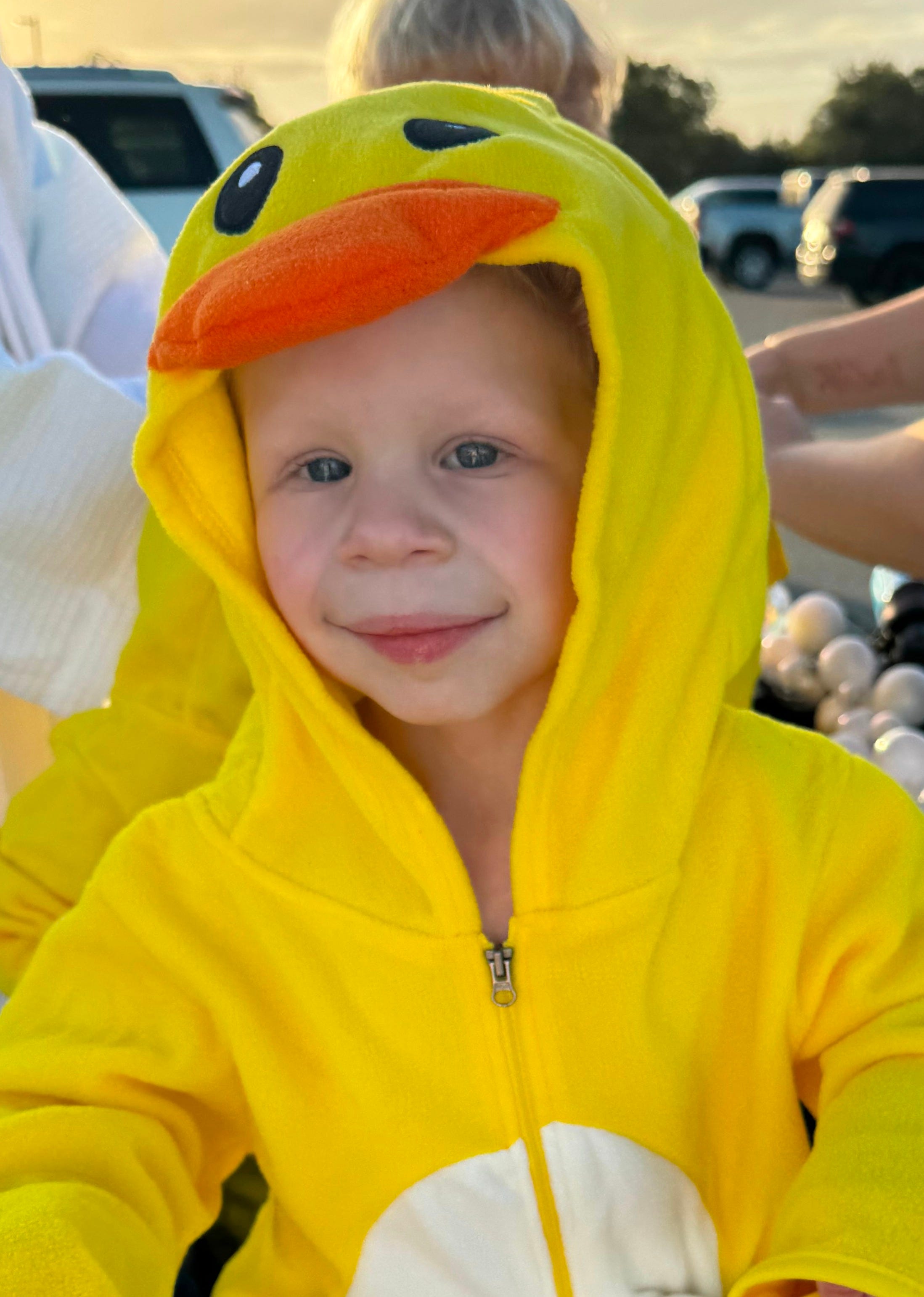
“It’s called Williams Syndrome, and it is similar to Down Syndrome.” I have said these words almost every day for the past three and a half years since my child’s diagnosis. Williams Syndrome is caused by a deletion in the 7th chromosome, while Down Syndrome results from an additional chromosome. They share similar characteristics: those with these syndromes often have unique facial features, intellectual disabilities, and an incredible capacity for joy and love. I have never met anyone who encounters individuals with these syndromes and doesn’t walk away with a smile and a sense of blessing. Yet there are people who work to eliminate individuals like them from the world.
I have three boys: Judah, who is 5 and has severe autism; Knox, who is almost 4 and has Williams Syndrome; and Ransom, who is nearly 2, shows no signs of disability, and is a joyful ball of mess. Raising children with disabilities has been both my life’s greatest challenge and my deepest joy. My boys bring light to everyone around them. Yet, there are those who would prefer that children like mine never existed. Although rarely said aloud, efforts are underway to make it legal to end these lives before they even begin. In recent years, a conversation has been quietly emerging in discussions about abortion: the role of genetic testing and the elective termination of fetuses diagnosed with disabilities.


Genetic Testing Advancement
Medical technology has advanced significantly, allowing doctors and parents to anticipate and prepare for potential challenges their child may face. The most common prenatal screening is first-trimester screening, which combines a blood test and ultrasound to assess the risk of certain birth defects, including Down Syndrome and trisomy 18. Another common test is the second-trimester screening, which involves a multiple marker screen. This blood test measures certain substances in the mother’s blood that can indicate an increased risk of birth defects.
Cell-free fetal DNA (cffDNA) screening, a newer prenatal test, is becoming increasingly popular. This test analyzes the baby’s DNA in the mother’s blood to detect certain genetic conditions. While these technologies are incredibly helpful, they have also contributed to the elimination of children made in the image of God.
In April, the Australian Broadcasting Corporation reported:
“In Iceland, upwards of 85 percent of women elect to have prenatal testing, and close to 100 percent of pregnancies where Down Syndrome is diagnosed are terminated. Denmark isn’t far behind, with a termination rate of 98 percent.”
While these advancements in technology are a blessing, they risk becoming a curse if misused. Life has inherent value and worth from the moment of conception. Many states, including my home state of Florida, are voting on amendments to enshrine abortion rights in state constitutions. If these amendments pass, they could lead to an unseen holocaust of beautiful children.
Technology is advancing rapidly, and soon conditions like autism, ADHD, and other more common conditions may also be detectable through testing. There may also be testing for a child’s predisposition to certain diseases and cancers. While this could bring helpful insights, it may also increase the number of children lost who would otherwise be a blessing to their communities.
Eugenic by Any Other Name
This issue is simply a quieter, more palatable version of the eugenics argument from the last century. Eugenics in America began in the late 19th and early 20th centuries, rooted in the idea of “improving” human genetics through selective breeding. Influenced by similar movements in Europe, early American eugenicists sought to “weed out” traits they deemed undesirable, often targeting people with disabilities, mental illness, and those from marginalized racial and socioeconomic backgrounds. This movement, legally sanctioned in many states, ultimately led to widespread forced sterilizations, disproportionately affecting minorities and the poor. Although discredited after World War II due to associations with Nazi ideology, remnants of the eugenicist mindset persist in today’s debates on abortion.
What Can You Do
With the rise of genetic technology and efforts to secure abortion rights in state constitutions, we risk losing countless lives made in God’s image. When I see the beautiful starburst pattern in my son Knox’s eyes, or when Judah runs into my arms asking for squeezes, I pray that God will protect children in the womb just like them. Please do your part and go out and vote. Please join me in this prayer. If you’re in Florida, Vote No on Amendment 4. If you are in another state research your state politicians and look at what they have said on the topic and if they have been in office look at what they have done about it.